March 31, 2026
A solid foundation is essential for the safety, durability, and value of any home or commercial building. Over time, even the most well-constructed slab foundations can develop damage from soil movement, water infiltration, or construction defects. Identifying these issues early is crucial to preventing costly repairs and preserving structural integrity. While some cracks and signs may appear minor, they can indicate underlying problems that require professional attention. Understanding different types of foundation damage and recognizing warning signs can help homeowners and property managers make informed decisions about slab foundation repairs.
Understanding Different Foundation Cracks
Hairline Cracks
One of the most common types of cracks found in slab foundations is the hairline crack. These cracks are usually very narrow, often less than 1/8 inch wide, and typically form during the natural settling and curing process of concrete, according to This Old House. While they may appear alarming, hairline cracks are generally cosmetic and do not compromise the foundation's structural integrity. Property owners often overlook these cracks because they rarely worsen over time. However, hairline cracks should still be monitored to ensure they do not evolve into more significant issues that could require slab foundation repair.
Vertical Cracks
Any cracks that run straight up and down the foundation wall are known as vertical cracks. These cracks are often caused by normal settling and are generally less worrisome than horizontal or diagonal cracks. However, if a vertical crack widens at the top or bottom, it could indicate uneven settling or movement within the foundation. Consistent monitoring and professional evaluation are recommended for vertical cracks to determine whether they require intervention. Addressing vertical cracks early can prevent them from developing into more complex structural issues.
Horizontal and Diagonal Cracks
Horizontal cracks, which run parallel to the ground, are often more serious than vertical cracks. They usually form when lateral pressure from surrounding soil pushes against the foundation walls. Over time, this pressure can lead to bowed walls or structural instability. Diagonal cracks, on the other hand, may indicate uneven settlement, with one end of the crack wider than the other. Both horizontal and diagonal cracks are warning signs that a foundation is under stress and may necessitate professional slab foundation repairs. Homeowners should consider timely inspections when these cracks are observed, especially if accompanied by other symptoms such as sticking doors or uneven floors.
Recognizing Signs of Structural Shifts
Uneven Floors and Sticking Doors
Cracks are not the only indicators of foundation problems. Uneven floors, where a marble placed on the floor rolls toward a lower area, can signal significant foundation movement. Sticking doors and windows may also result from subtle shifts in the foundation, creating misaligned frames and jams. These seemingly minor signs can point to underlying structural issues that, if ignored, could lead to costly repairs. Addressing these early warning signs ensures that slab foundation repair can be performed before damage worsens.
Separation and Visible Gaps
Separation between walls, ceilings, or floors can reveal foundation issues that are more severe than surface cracks. Gaps appearing between baseboards and flooring, particularly if they vary in width across a room, may indicate soil movement or settling beneath the foundation. Such separation suggests that the foundation is not providing uniform support, which can impact the overall stability of the structure. Prompt evaluation by a foundation specialist can identify whether slab foundation repairs or reinforcements are necessary to restore structural integrity.
Water Intrusion and Dampness
Water infiltration is another serious concern for slab foundations. Moisture entering through cracks can lead to mold growth, wood rot, and further deterioration of the concrete. Even small leaks should not be ignored, as repeated exposure to water weakens the foundation over time. Effective waterproofing and timely slab foundation repair can prevent water-related damage, maintaining both the safety and longevity of the property.
Identifying Causes and Preventative Measures
Soil Issues and Settlement
The type and condition of soil surrounding a foundation are major contributors to damage. Clay-rich soils, in particular, expand and contract significantly with changes in moisture, putting stress on slab foundations. Insufficient soil compaction during construction can exacerbate settling and lead to cracks or uneven floors. Understanding the soil beneath a property and implementing proper grading and compaction can reduce the likelihood of foundation movement. When settlement is detected, timely slab foundation repairs can stabilize the structure and prevent future issues.
Water-Related Problems
Water is one of the most frequent causes of foundation damage. Poor drainage, plumbing leaks, and excessive rainfall can all compromise a foundation over time. Proper site grading, well-maintained gutters, and effective water diversion systems are essential preventative measures. If water has already penetrated the foundation, professional slab foundation repair is necessary to seal cracks, restore structural integrity, and prevent further deterioration.
Construction Defects and Poor Maintenance
Even foundations built with high-quality materials can experience problems if construction techniques are flawed. Insufficient reinforcement, inadequate curing, or improper concrete mixing can all contribute to premature damage. Regular inspections and maintenance help identify small issues before they become significant structural concerns. By addressing construction defects promptly, property owners can reduce the need for extensive slab foundation repairs and extend the life of their foundation.
Evaluating Foundation Damage
Assessing Crack Width and Depth
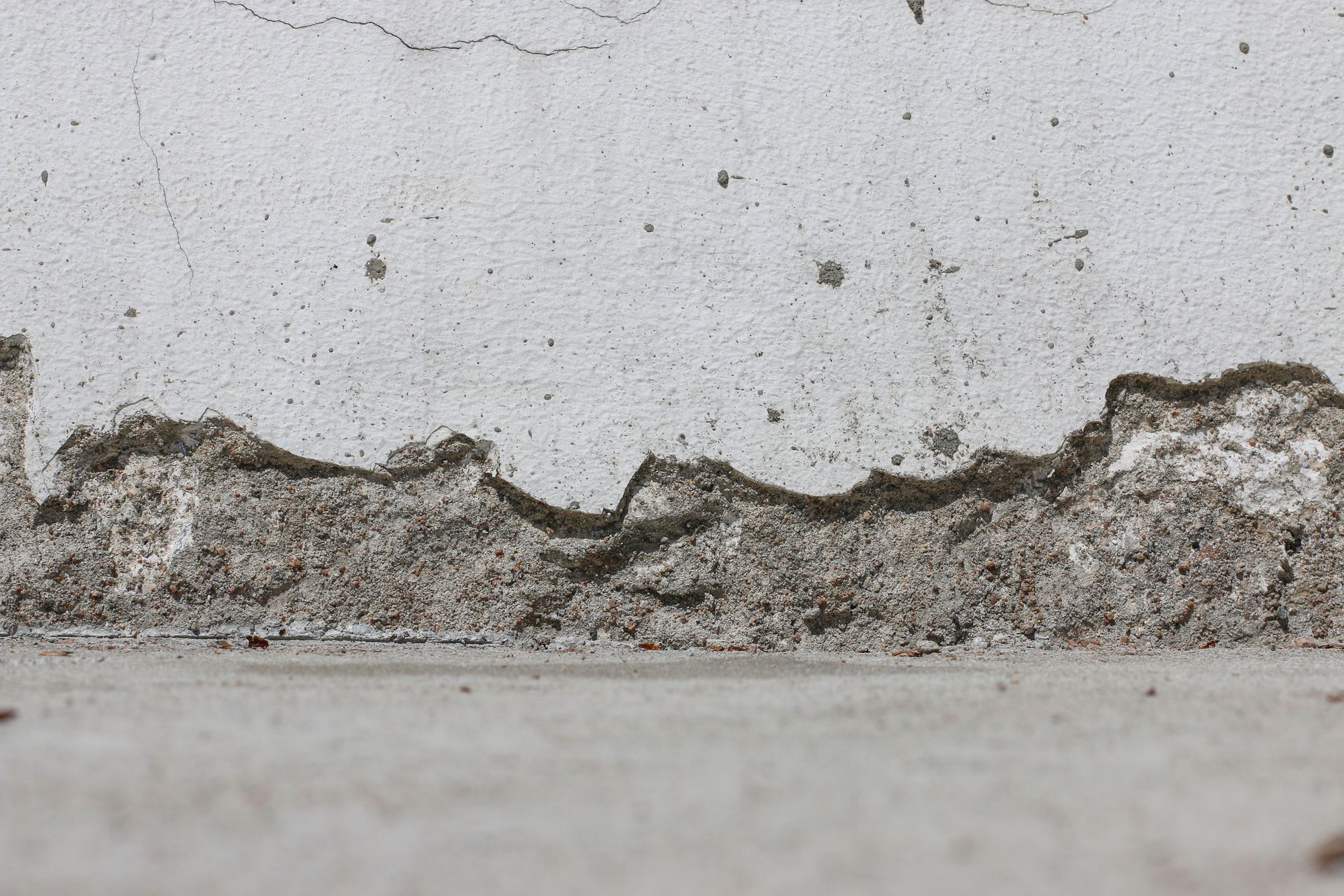
The severity of foundation cracks is primarily assessed by examining their width, depth, and overall pattern. Wider or deeper cracks, especially those that show any signs of shifting or vertical displacement, often indicate more serious structural issues that need prompt attention. Carefully evaluating these characteristics helps determine the urgency of slab foundation repair, guides the selection of the most effective repair method, and ensures that any underlying causes, such as soil movement or water intrusion, are properly addressed.
Monitoring Crack Growth Over Time
Active cracks that continue to expand are clear signs of ongoing foundation movement and should never be ignored. Homeowners can track these changes using simple monitoring techniques, such as marking the ends of a crack, taking regular measurements, or employing a crack gauge for more precise observation. Keeping a record of crack progression over time allows property owners to detect subtle shifts early, assess whether professional slab foundation repairs are necessary, and take action before minor cracks develop into more extensive issues.
Professional Inspection Methods
Professional foundation specialists use a variety of advanced techniques to thoroughly assess foundation damage, including moisture detection, structural analysis, soil evaluation, and detailed visual inspections. These comprehensive evaluations help identify the underlying causes of cracks, settlement, or water intrusion, allowing specialists to recommend the most effective repair strategies. By engaging experienced experts, property owners can ensure that slab foundation repair is performed accurately, efficiently, and with long-lasting results.
Recognizing and addressing foundation damage early is essential to preserving the structural integrity of any property. From hairline cracks to water intrusion, uneven floors, and soil-related settlement, various signs indicate when slab foundation repairs are necessary. Understanding the causes and potential consequences of these issues allows homeowners and property managers to take proactive steps, preventing minor problems from escalating into major structural failures. Professional evaluation and timely repairs not only restore safety and stability but also protect the long-term value of a building. Investing in reliable slab foundation repairs ensures that your foundation remains strong, secure, and capable of supporting your home or commercial property for years to come. If you're looking for professional slab foundation repair for your property, contact Concrete Lifters today!