July 13, 2026
Safety within commercial spaces has become a major priority for property owners, facility managers, and business operators. The condition of a building’s exterior and interior surfaces directly affects the well-being of employees, customers, tenants, and visitors. Uneven or sunken concrete can create serious trip hazards, especially in areas with heavy foot traffic, delivery activity, or vehicle movement. Commercial concrete leveling services offer a practical way to restore unsafe surfaces while improving the overall function and appearance of a property.
Understanding Commercial Concrete Leveling
Concrete leveling is the process of raising and stabilizing sunken or uneven slabs so they return to a safer and more functional position. In commercial spaces, this may include sidewalks, entryways, warehouse floors, parking lots, loading docks, patios, ramps, and walkways. Commercial concrete leveling services are commonly used when slabs have settled due to soil movement, erosion, poor drainage, freeze-thaw cycles, or heavy use over time.
Common methods include slab jacking and polyurethane foam injection. Slab jacking involves drilling small holes into the concrete and pumping a lifting material beneath the surface. Polyurethane foam injection uses expanding foam to raise the slab and fill voids below it. Both methods can often be completed with less disruption than full concrete replacement, allowing businesses to maintain daily operations with minimal downtime.
Identifying Trip Hazards Before They Become Serious
Trip hazards are among the most obvious safety concerns caused by uneven concrete. A raised edge, sunken slab, or sudden change in elevation can cause customers, employees, or visitors to fall. These risks are especially concerning near entrances, sidewalks, ramps, parking areas, and other high-traffic locations. Regular inspections help property managers identify these problems before an accident occurs.
Commercial concrete leveling services help eliminate these hazards by restoring smoother transitions between slabs. This creates a safer walking surface and supports compliance with general safety expectations for commercial properties. Proactive repairs also show that a business is taking reasonable steps to maintain a safe environment.
Reducing Liability Risks for Property Owners
Neglected concrete problems can lead to costly liability claims. If someone is injured because of a known hazard on a commercial property, the business or property owner may face legal expenses, insurance claims, and reputational damage. Even a minor fall can become a major financial issue if unsafe conditions were ignored.
Commercial concrete leveling services reduce these risks by correcting uneven surfaces before they cause injuries. Maintaining records of inspections and repairs can also support a business if questions arise about property maintenance. A consistent repair plan demonstrates due diligence and helps protect both the public and the property owner.
Protecting Structural Integrity
Uneven concrete can sometimes indicate deeper problems beneath the surface. Soil erosion, poor compaction, or water movement can leave empty spaces under slabs, causing them to sink or crack. If these issues continue, nearby structures, foundations, or paved areas may experience additional stress. Timely leveling helps stabilize the affected area before more serious damage develops.
Commercial concrete leveling services can also help restore proper support beneath slabs. By filling voids and lifting the surface, professionals improve stability and reduce the chance of continued movement. This can extend the life of concrete surfaces and help businesses avoid premature replacement.
Improving Drainage and Surface Performance
Drainage plays a major role in concrete performance. When slabs settle unevenly, water may collect in low spots or flow toward buildings instead of away from them. Standing water can contribute to erosion, surface deterioration, ice hazards, and additional settlement. These problems can affect both safety and long-term property maintenance.
Leveling can restore a more effective slope and improve how water moves across the surface. In some cases, drainage corrections may also be needed to prevent the same issue from returning. Combining leveling with proper water management gives commercial properties a stronger and more durable repair outcome.
Enhancing Accessibility and Customer Experience
Accessible surfaces are important for customers, employees, and visitors with mobility challenges. Uneven concrete can make it harder for people using wheelchairs, walkers, carts, or strollers to move safely through a property. Businesses that prioritize accessibility create a more welcoming and functional environment.
Commercial concrete leveling services can improve surface transitions around entrances, ramps, sidewalks, and parking areas. This helps reduce obstacles while supporting a cleaner and more professional appearance. A smooth and stable exterior also improves first impressions, showing visitors that the business values safety and care.
Supporting High-Traffic Commercial Areas
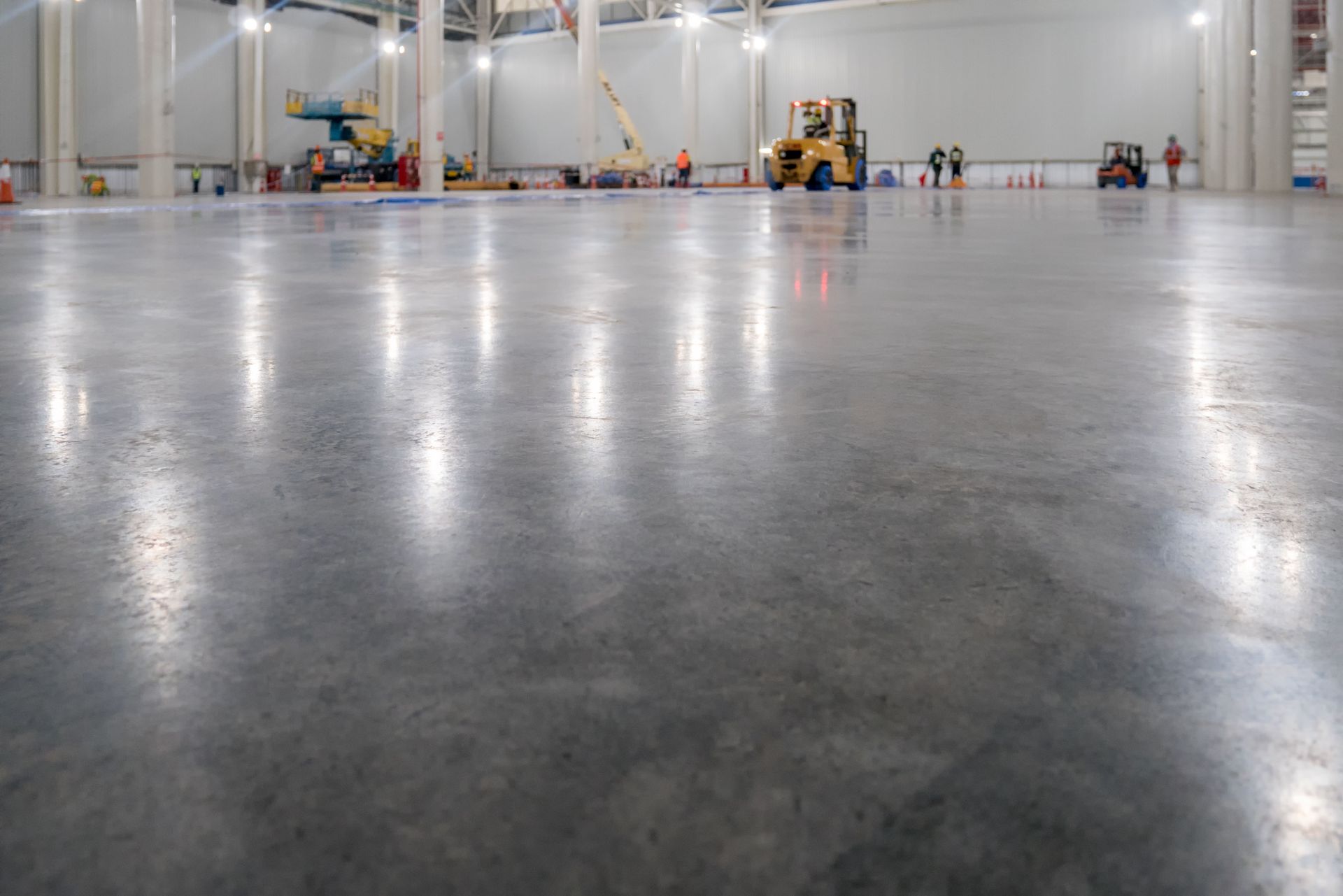
Commercial properties often experience heavier use than residential spaces. Delivery vehicles, forklifts, foot traffic, carts, and weather exposure can all contribute to concrete wear. Areas such as loading docks, warehouse floors, storefront walkways, and parking lots may need special attention because damage in these spaces can disrupt operations.
Timely repairs help keep business activity moving safely and efficiently. Uneven slabs can slow down employees, damage equipment, or create unsafe conditions for customers. By maintaining level surfaces, businesses can reduce disruptions and preserve the daily function of important work areas.
Improving Appearance Without Full Replacement
Safety is the main priority, but appearance also matters for commercial spaces. Cracked, sunken, or uneven concrete can make a property look neglected. Customers may form negative impressions before they even enter the building. A well-maintained exterior helps support credibility, professionalism, and customer confidence.
Concrete leveling can improve curb appeal without requiring complete slab removal. In many cases, lifting and stabilizing existing concrete is faster and less invasive than replacement. According to Market Report Analytics, the global concrete slab market is projected to exhibit a compound annual growth rate of 5.5% from now to 2033, highlighting continued investment in concrete infrastructure and the growing importance of cost-effective maintenance solutions like leveling. This makes it a practical option for businesses that want safer surfaces and a cleaner appearance.
Choosing the Right Service Provider
Selecting an experienced contractor is essential for long-lasting results. A qualified provider should inspect the property, identify the cause of settlement, explain the recommended method, and provide clear expectations for the repair. The best professionals also look for drainage problems, soil movement, and other conditions that could affect future performance.
Commercial concrete leveling services should be performed with the right equipment, materials, and safety procedures. Property owners should ask about experience with similar commercial projects, expected downtime, warranty options, and maintenance recommendations. Working with a reliable provider helps ensure the repair supports both safety and long-term value.
Creating a Long-Term Maintenance Plan
Concrete leveling should be part of a broader property maintenance strategy. Regular inspections allow businesses to identify cracks, settlement, drainage problems, and surface changes early. This is especially important after heavy storms, freezing weather, construction activity, or changes in property use.
A maintenance plan should include documentation of inspections, photos of problem areas, repair dates, and follow-up evaluations. These records help property owners track recurring issues and make informed decisions. Ongoing attention keeps commercial spaces safer and helps prevent small problems from turning into expensive repairs.
Building Safer and Stronger Commercial Spaces
Commercial concrete leveling services provide important benefits for safety, liability reduction, structural protection, accessibility, and appearance. By correcting uneven slabs, businesses can reduce trip hazards, improve daily operations, and protect their investment. Leveling also helps extend the life of existing concrete, making it a practical alternative to full replacement in many situations.
For commercial property owners, waiting too long to repair uneven concrete can increase risks and costs. A proactive approach helps maintain a safe, attractive, and functional environment for employees, customers, tenants, and visitors. With regular inspections and professional repairs, commercial spaces can remain dependable, accessible, and prepared for long-term use. Contact our team at Concrete Lifters of NC today and learn more about our concrete services.