November 2, 2026
A stable slab foundation helps support a building and provides a level base for the structure above it. When concrete settles or loses support from the soil beneath it, the surface can become uneven, develop cracks, or shift out of position. Addressing these changes early can help limit additional damage and preserve the condition of the existing concrete.
Timely slab foundation repairs can also help property owners avoid the disruption associated with more extensive concrete work. A settled slab may affect nearby surfaces, create uneven transitions, or interfere with normal use of a home or commercial property. Identifying the cause of the movement allows property owners to consider an appropriate repair before the problem becomes more difficult to address.
Identifying Common Causes of Foundation Problems
Soil movement is a common reason concrete slabs settle. When the ground beneath a slab shifts, compresses, or no longer provides consistent support, parts of the concrete may sink. Gaps can also develop beneath the surface, leaving sections less supported than others.
Water management is another important factor in protecting concrete. Poor drainage can contribute to soil erosion or changes in moisture levels around a foundation, potentially affecting the support beneath it. According to This Old House, concrete surfaces such as driveways should slope away from a foundation by at least one-fourth of an inch per foot to help direct water away from the structure. Maintaining suitable drainage can help reduce water-related concerns around concrete surfaces.
Heavy loads and repeated traffic can also place pressure on concrete slabs, particularly in warehouses, industrial facilities, and other busy environments. When a slab already has weak or uneven support, regular use may contribute to further movement or deterioration. Understanding these potential causes helps determine whether concrete lifting or stabilization may be suitable for the affected area.
Recognizing Signs of Foundation Settlement
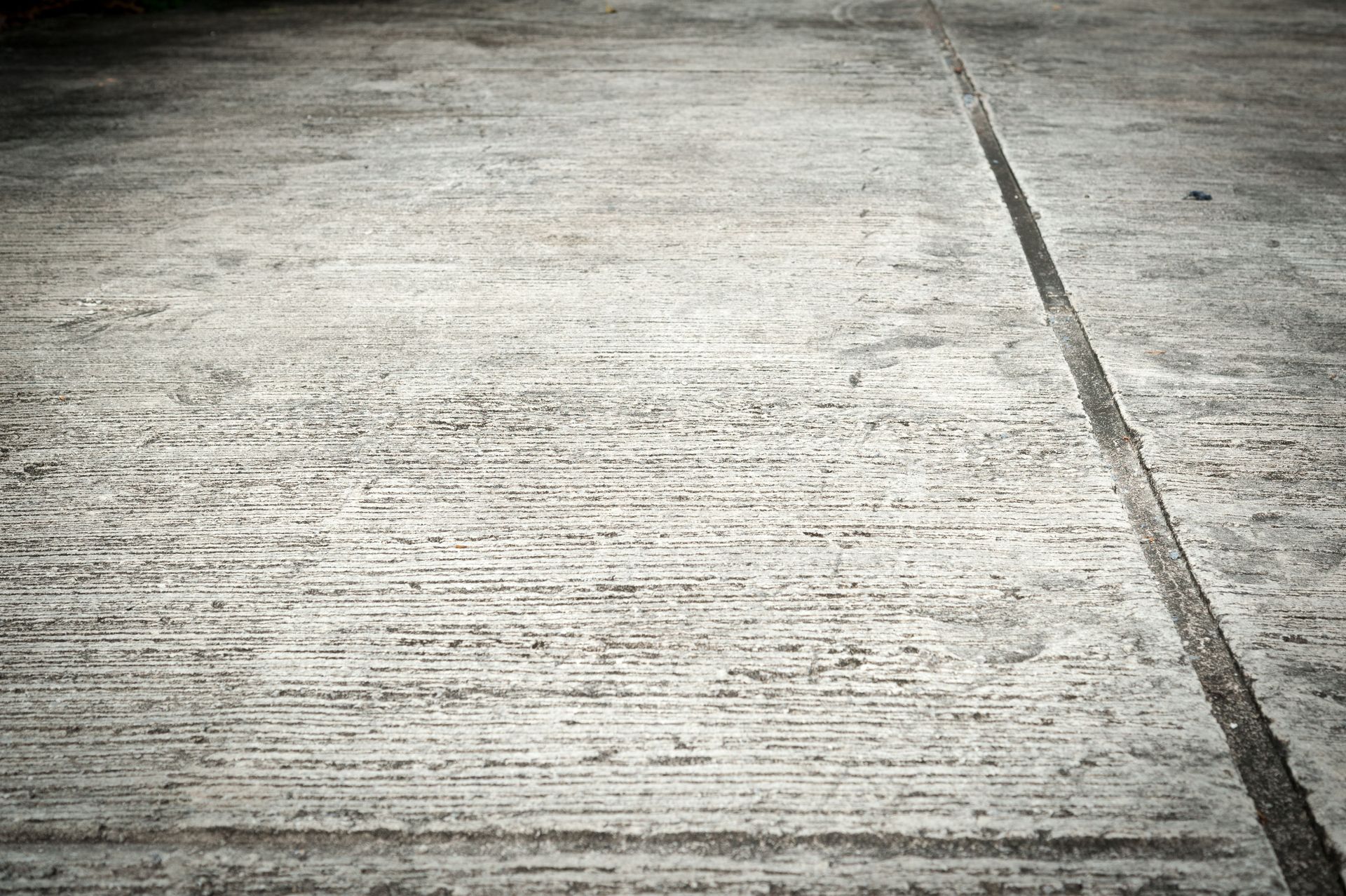
Visible cracks, uneven surfaces, and changes in the height of adjoining concrete sections can indicate that a slab has moved. Some changes develop gradually, making them easy to overlook during everyday activities. Monitoring these areas can help property owners identify developing concerns before they create larger obstacles or safety hazards.
Inside a building, uneven concrete floors may affect how equipment, carts, or other items move across the surface. In commercial and industrial facilities, settled slabs and raised joints can create trip hazards or cause forklifts and other equipment to jolt while traveling. These conditions may also interfere with daily operations and increase wear on equipment.
Outdoor concrete can show similar signs of settlement. Walkways, driveways, patios, and other concrete areas may develop height differences or low spots when the material beneath them shifts. Although not every crack or uneven area indicates a foundation problem, a professional assessment can help determine whether the concrete needs lifting or additional stabilization.
Preventing Further Damage Through Timely Repairs
Leaving settled concrete unaddressed can allow existing problems to continue. Sections that lack consistent support may shift further under regular use, while uneven joints can experience repeated pressure from foot traffic, vehicles, or equipment. Early slab foundation repairs can help restore support beneath affected concrete and reduce movement associated with settlement.
Repairing an existing slab may also help preserve concrete that remains suitable for continued use. Replacing an entire surface can involve demolition, disposal, new material, and additional work to prepare the area. When settlement is the primary concern and the concrete is otherwise suitable for repair, lifting and stabilization may offer an alternative to full replacement.
Addressing uneven surfaces can also improve everyday safety. Level transitions reduce the height differences that can catch a person's foot or cause equipment to jolt. For businesses, correcting these issues may help reduce operational interruptions and support smoother movement through work areas, loading zones, and facility floors.
Exploring Concrete Lifting and Stabilization Methods
Concrete lifting can help raise settled slabs toward their intended position without removing the entire surface. One method involves injecting expanding polyurethane foam beneath the concrete. As the material expands, it helps fill gaps and lift the slab while improving support beneath the affected area.
Stabilization focuses on improving the support beneath the concrete so that the slab is less likely to continue moving due to existing voids or weak underlying material. The appropriate approach depends on the surface, the amount of settlement, and the condition of the concrete. An on-site assessment helps identify the needs of the area and determine which service is appropriate.
Slab foundation repairs may be suitable when settlement has affected the level or support of an existing concrete surface. However, concrete lifting is not the right solution for every condition, and extensive deterioration may require a different approach. Evaluating the slab before work begins helps establish realistic expectations and identify the most appropriate next step.
Preparing for the Repair Process
Successful slab foundation repairs begin with an assessment of the affected concrete. The condition of the slab, the degree of settlement, and the presence of gaps beneath the surface can all influence the recommended solution. Looking at the surrounding area also helps identify drainage or site conditions that may contribute to continued movement.
Once the assessment is complete, the repair plan can account for how the area is used and what level of disruption is practical. Residential properties may need attention around foundations or other settled concrete surfaces, while commercial facilities may need work coordinated around employee access, equipment routes, or deliveries. Discussing these needs in advance can help make scheduling more manageable.
Concrete lifting can often be completed more quickly than removing and replacing an entire slab. The actual timeline depends on the size and condition of the affected area and the work required. Property owners should discuss the expected schedule with their contractor before arranging access to the repair area.
Maintaining Concrete After Repairs
After slab foundation repairs are complete, maintaining appropriate drainage can help protect the surrounding soil and concrete. Keep an eye on areas where water collects, and pay attention to changes in the ground near the foundation. Directing runoff away from the structure can help limit conditions that contribute to soil erosion or shifting.
It is also useful to monitor repaired surfaces for new changes. Fresh cracks, renewed settlement, or developing height differences may indicate that conditions beneath the slab have changed. Noting these developments and arranging an assessment when needed can help property owners address concerns before they interfere with regular use.
Routine observation is particularly important in facilities with frequent vehicle or equipment traffic. Uneven joints, low spots, and changes in floor conditions can affect safety and daily operations. Keeping track of these areas helps property managers prioritize maintenance and determine when further evaluation may be appropriate.
Protecting Property With Early Intervention
Timely slab foundation repairs can help preserve existing concrete, improve surface stability, and reduce problems associated with uneven settlement. Taking action when signs first appear may also help limit disruptions and avoid replacing a surface that could remain usable with suitable repairs. The right approach depends on the condition of the slab and the factors affecting its support.
A professional evaluation can clarify whether concrete lifting or stabilization is appropriate for a particular property. With a clear understanding of the surface condition and available repair options, homeowners and facility managers can make informed decisions about maintaining their concrete. Contact Concrete Lifters of NC to schedule an inspection and discuss slab foundation leveling and stabilization options for your property.