November 17, 2026
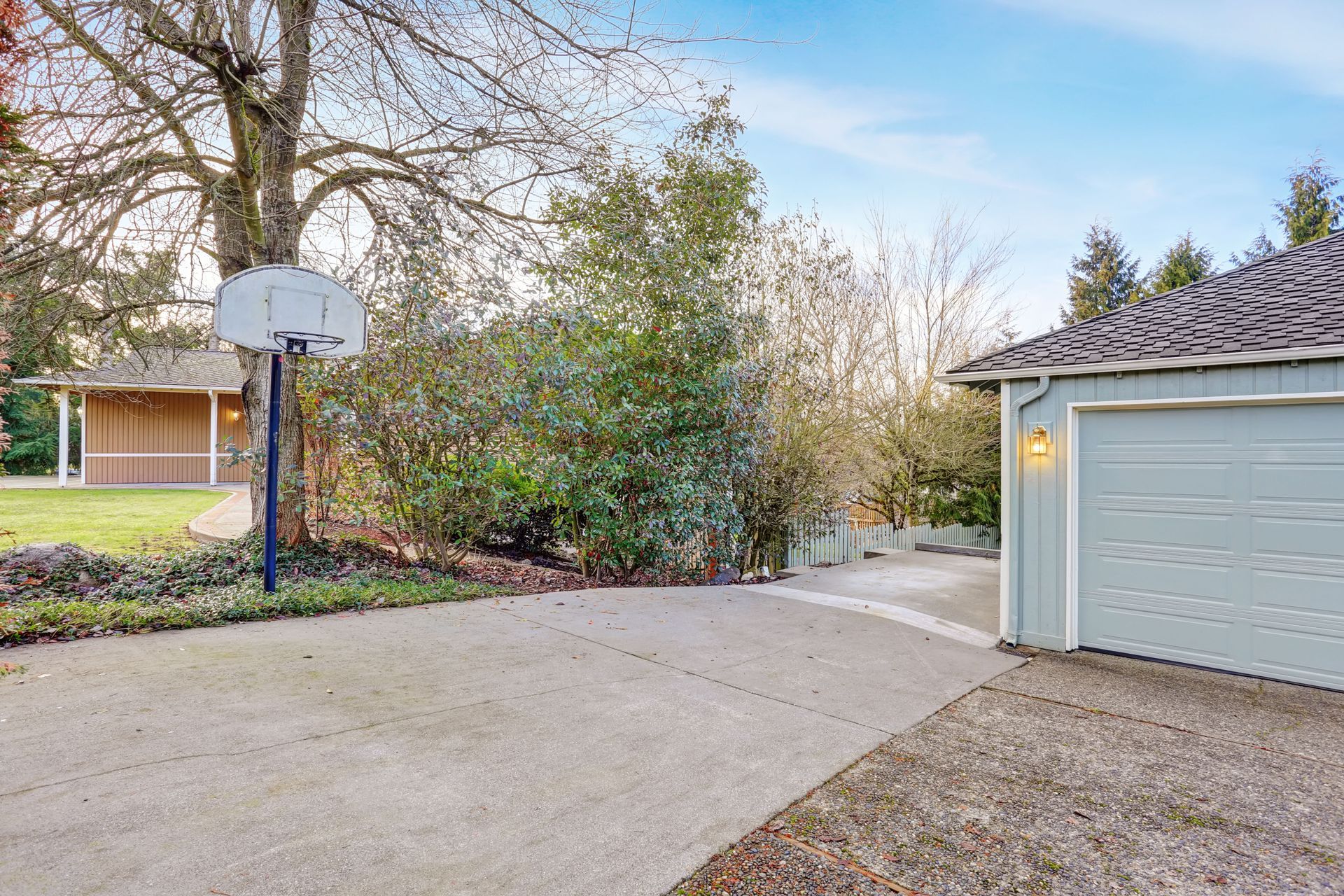
A driveway that was once smooth and level can slowly change shape as the ground beneath it shifts over the years. Homeowners often notice the problem only when a low corner or a widening gap appears near the garage. Ignoring these early signs can lead to safety hazards, water problems, and more extensive work later, which is why a prompt response is always the wiser choice. This guide explains how to recognize when a sunken surface needs attention and what your options are.
Recognizing When a Driveway Has Sunk Too Far
Some movement in a driveway is normal, but there is a point where it becomes a real concern. According to Family Handyman, it's common for asphalt driveways to settle slightly over time, but one that has sunk 4 to 5 inches below the garage floor needs repair. A drop of that size creates an obvious step that is difficult to ignore. It can also make the surface uncomfortable to walk on and awkward to drive across. Measuring the gap between the pavement and the garage floor is a simple first check. Catching the problem at that stage keeps the solution simpler and more manageable, and it gives you time to compare your options carefully before making a decision.
Spotting Early Signs of Uneven Surfaces
Small visible changes usually appear well before a surface sinks dramatically, and noticing them gives you time to plan. Walking your property after a rain can reveal low areas where water collects instead of draining away. Early sinking concrete repair can restore a smoother surface before the problem spreads to neighboring slabs. Raised edges, widening joints, and tilted sections all suggest that something below the surface has changed. Taking photos over several weeks helps you see whether the movement is getting worse. Acting early almost always makes the eventual work easier to schedule and complete, because smaller problems generally call for smaller and less disruptive solutions.
Understanding What Happens Beneath the Slab
Most sinking problems begin below the surface, where the soil supporting the concrete slowly loses its strength. When that support weakens, the slab above has nothing solid to rest on and begins to drop. Sinking concrete repair addresses the real cause of the movement rather than only hiding the visible symptoms. Voids can form under the slab, and these empty spaces allow the surface to keep settling over time. Soil that has shifted or weakened is a common reason a surface becomes uneven. Understanding this hidden process helps you appreciate why a proper evaluation matters before any work begins, since treating only what you can see rarely solves the whole problem.
Choosing Concrete Lifting Over Costly Replacement
Many property owners assume that a sunken surface must be torn out and poured again, but that is not always necessary. Concrete lifting raises the existing slab back toward its original position and avoids the expense of full replacement. Sinking concrete repair through lifting also restores surfaces as closely as possible to their original state. Keeping the existing slab in place can reduce the disruption that comes with demolition and new construction. It also helps limit the downtime that interrupts your normal routine. Considering lifting first gives you a practical way to correct the problem without starting from scratch, while still avoiding the costly replacements that many owners fear.
Stabilizing Joints to Reduce Trip Hazards
Uneven joints between slabs are one of the most common causes of stumbles, especially where one edge sits higher than the next. Joint stabilization helps create smoother surfaces and reduces the trip hazards that develop as slabs move apart. Including joint work as part of sinking concrete repair can make a noticeable difference in how safe a surface feels. A level transition is easier for family members, visitors, and delivery drivers to cross without incident. Preventing accidents is one of the strongest reasons to deal with uneven concrete promptly. Addressing the joints along with the slab itself gives you a more complete result, and it is especially helpful wherever vehicles or equipment cross the same spot repeatedly.
Strengthening Soil to Prevent Further Settling
Raising a slab is only a lasting fix if the ground underneath is strong enough to hold it in place. Soil stabilization strengthens the earth beneath a surface so that settling and cracking are less likely to return. Pairing concrete repair with soil work helps address the underlying reason the slab dropped. Weak soil left untreated can allow the same problem to appear again after a few seasons. A stronger foundation of soil protects the investment you make in any correction. Looking at the ground as well as the surface leads to a more durable outcome, and it saves you from paying for the same correction more than once.
Filling Voids Before They Cause More Damage
Empty spaces beneath a slab are a quiet source of trouble because they cannot be seen from above. Void filling uses specialized materials to fill gaps beneath a surface and restore proper support. Sinking concrete repair that includes void filling helps prevent the slab from continuing to drop into the space below. Left alone, these gaps can grow and turn a minor dip into a much larger structural concern. Filling them early is far more practical than waiting for major cracking to appear. Identifying where voids exist is part of a careful inspection of the area, and it helps determine exactly how much support the slab needs to stay level.
Scheduling a Free Consultation and Inspection
The best way to understand what your concrete needs is to have a professional look at it in person. Free consultations and inspections are available, which allow you to learn about your options without a financial commitment. During a visit, a certified team can evaluate the condition of the surface and the likely causes of the movement. Sinking concrete repair is easier to plan once you know how far the problem extends. Engineering support services and industrial floor inspections are also part of the work offered for larger concerns. Asking questions during the visit helps you feel informed before any work starts, and it allows the team to explain each step in clear and simple terms.
Protecting Your Investment With a Warranty
Knowing that your repair is backed by a guarantee makes it easier to move forward with a project. A 10-year warranty on services is available in most cases, which gives you added protection after the work is finished. Choosing sinking concrete repair from a certified team with over 20 years of hands-on experience also supports a quality result. Experienced technicians understand how different surfaces respond to lifting, stabilization, and soil strengthening. Fast turnaround times and little to no downtime help keep your daily routine moving. Reviewing warranty terms with your provider ensures you understand exactly what is covered, so there are no surprises if questions come up later.
Concrete Lifters of NC has specialized in concrete lifting and joint stabilization since 2016, serving customers throughout North and South Carolina. Our certified team uses proven techniques to lift slabs, stabilize joints, strengthen soil, and fill voids beneath your surfaces. We offer free consultations and inspections, and most of our services are backed by a 10-year warranty. We look forward to helping you restore a safe and level surface. For more information, contact us today!