November 25, 2026
Concrete surfaces around your home provide essential functionality, safety, and curb appeal. However, soil erosion, weather conditions, and natural settling can cause these surfaces to become uneven over time. Recognizing the signs of shifting concrete can help homeowners address problems before they lead to more extensive damage.
Driveways
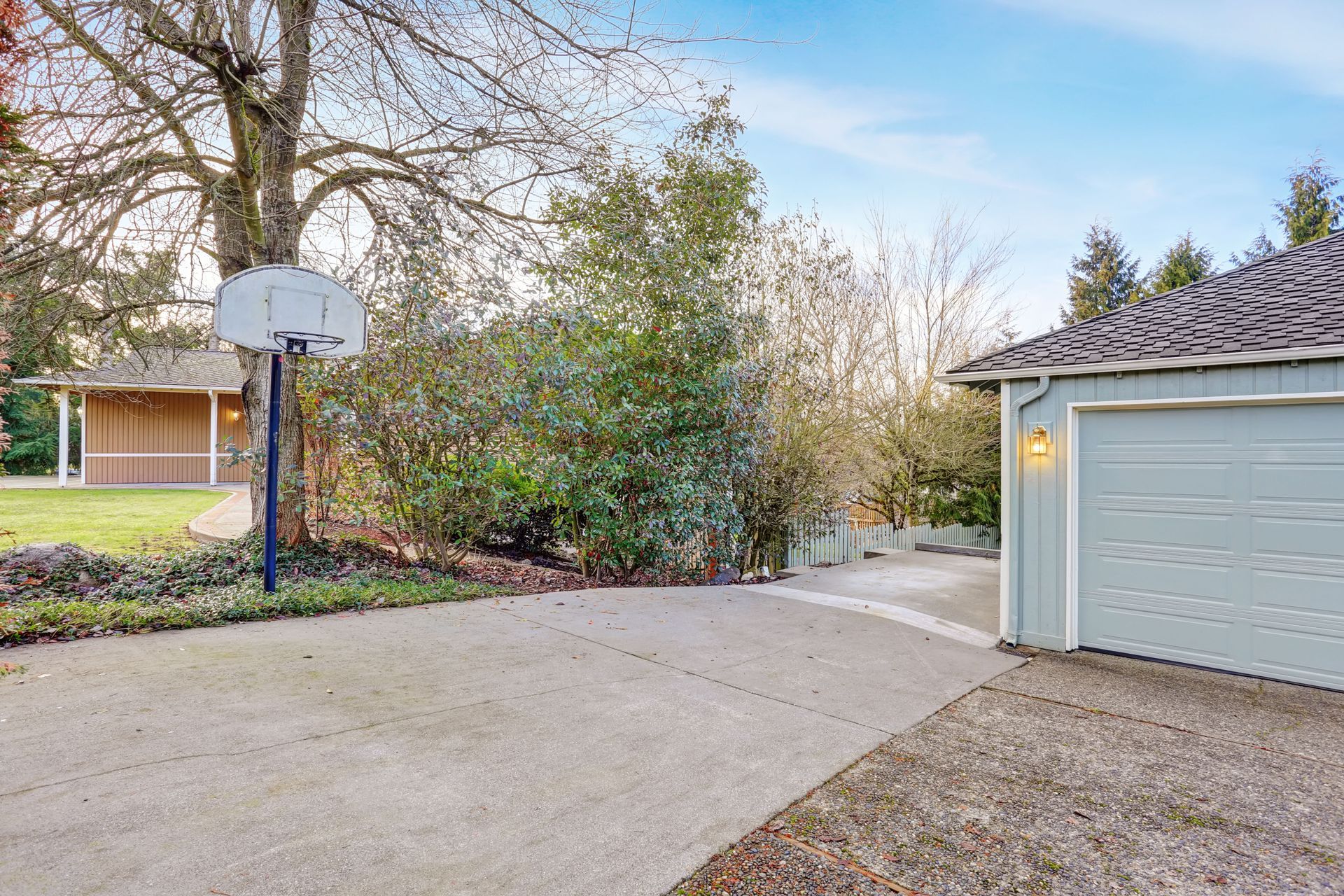
Driveways experience considerable weight and regular use, making them particularly vulnerable to settling and uneven surfaces. Soil erosion beneath the concrete can create empty spaces that cause sections to sink. Freeze-thaw cycles, poor drainage, and inadequate initial installation can also contribute to these problems.
Visible cracks, pooling water, and gaps between concrete slabs are common signs of driveway settlement. Uneven sections can also make driving and walking more difficult while creating potential tripping hazards. Professional concrete leveling can restore the surface and improve its overall stability.
Mudjacking and polyurethane foam injection are two common methods for correcting uneven driveways. Both techniques involve filling spaces beneath the concrete to raise sunken sections and restore a more even surface. The appropriate method depends on the condition of the driveway, the extent of settlement, and the underlying soil conditions.
Keeping driveways in good condition can help prevent additional problems. Proper drainage, routine inspections, and professional attention to developing cracks can reduce the likelihood of extensive damage. Addressing uneven sections early can also help homeowners avoid the expense of replacing an entire driveway.
Sidewalks and Walkways
Sidewalks and walkways can become uneven when tree roots grow beneath the concrete or soil shifts over time. Water runoff may wash away supporting soil, creating empty spaces beneath individual sections. Temperature fluctuations and freeze-thaw cycles can further contribute to cracking and displacement.
Uneven sidewalks can create tripping hazards for residents, visitors, and delivery personnel. Raised edges and sunken sections can make walking difficult, especially for children and older adults. Pooling water can also create slippery conditions during colder months.
Professional concrete leveling can correct many sidewalk problems without requiring complete slab replacement. Mudjacking and polyurethane foam injection can raise sunken sections and restore a more consistent walking surface. If certain areas have experienced extensive deterioration, a professional may recommend additional repairs.
Maintaining proper drainage around sidewalks is important for preventing future settlement. Tree roots, soil erosion, and recurring moisture problems should also be considered when evaluating uneven surfaces. Regular professional inspections can help identify developing problems before they become more expensive to correct.
Patios
Concrete patios provide functional outdoor spaces for entertaining, relaxing, and enjoying time with family. However, exposure to rain, changing temperatures, and shifting soil can gradually affect their stability. Soil settlement and inadequate drainage are especially common reasons patios develop uneven sections.
Cracks, gaps, and areas where water collects after rainfall can indicate that a patio is settling. Uneven surfaces may also cause outdoor furniture to wobble or make the space less comfortable to use. These problems can become more noticeable as the underlying soil continues to shift.
Professional concrete leveling offers an effective way to address many patio settlement problems. Polyurethane foam injection and mudjacking can raise sunken sections while restoring a more consistent surface. Depending on the extent of the damage, these methods may provide an alternative to removing and replacing the entire patio.
The durability of a patio also depends on the quality of its materials and ongoing maintenance. According to This Old House, with proper care and maintenance, a concrete patio can have a lifespan of up to 100 years. Addressing settlement and drainage concerns can help homeowners protect this long-term investment.
Garage Floors
Garage floors support vehicles, storage equipment, and other heavy items, placing consistent pressure on the concrete. Over time, poorly compacted soil or groundwater movement can create voids beneath the slab. These conditions may cause sections of the floor to sink or develop noticeable cracks.
Uneven garage floors can interfere with parking, storage, and everyday use. Homeowners may notice water collecting in certain areas or objects that no longer sit evenly on the floor. Cracks that continue to widen may also indicate that the underlying support needs professional attention.
Concrete leveling can restore the elevation of sunken garage floor sections. Mudjacking and polyurethane foam injection are commonly used to fill underlying voids and raise displaced concrete. A professional assessment can determine which approach is appropriate based on the severity of the settlement.
Maintaining a stable garage floor can help prevent additional damage to the surrounding structure. Proper moisture management and attention to drainage are important considerations. Correcting uneven areas promptly can also reduce safety concerns and help preserve the usable space.
Basement Floors
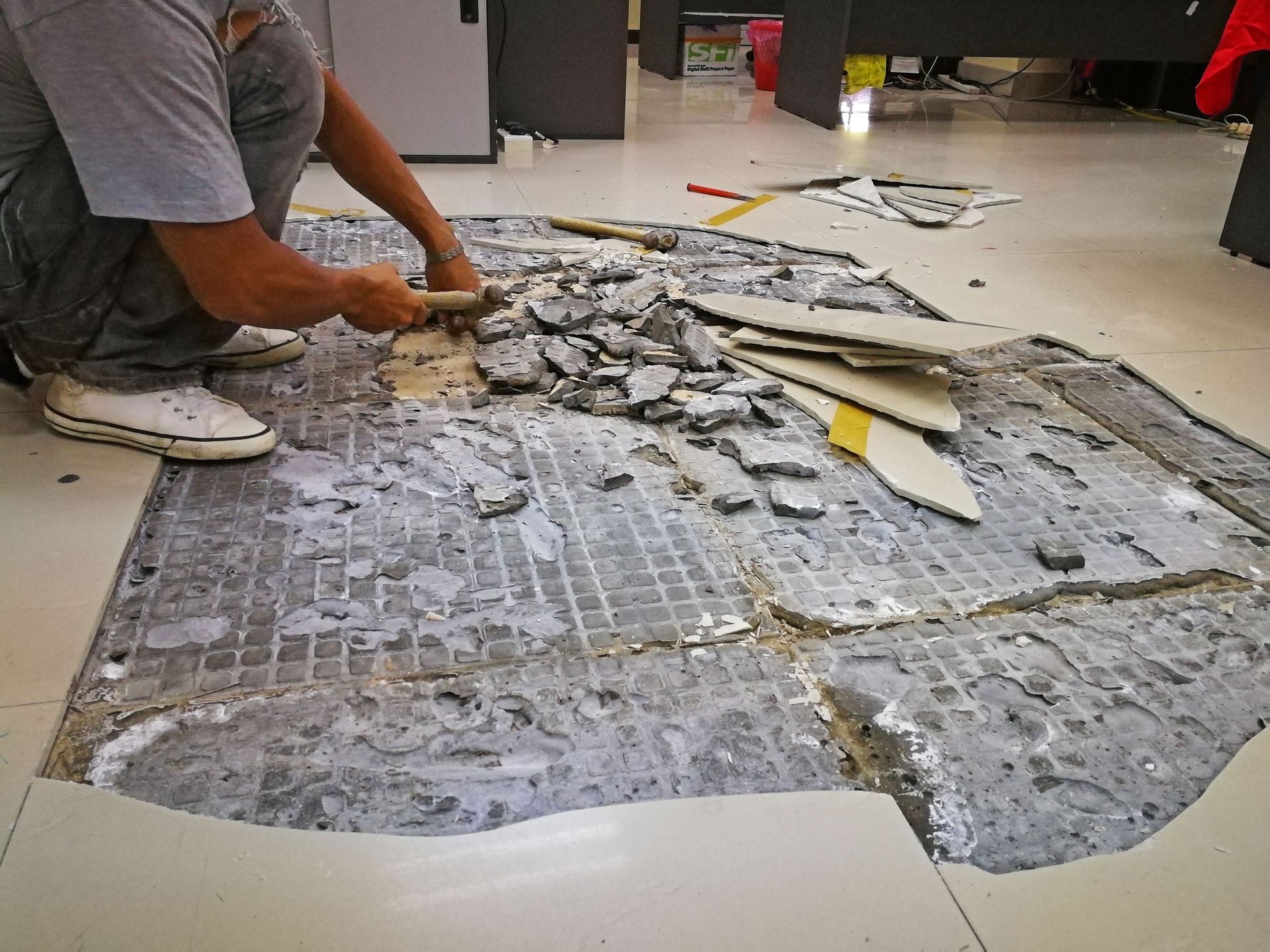
Basement floors may settle because of changes in the soil beneath the foundation. Water infiltration, inadequate soil compaction, and groundwater movement can weaken the support beneath concrete slabs. As the soil shifts, homeowners may notice cracks, uneven sections, or areas where the floor appears to have sunk.
An uneven basement floor can affect how the space is used. Furniture and storage equipment may not sit properly, while noticeable slopes can create walking hazards. Persistent moisture problems can also contribute to additional deterioration if the underlying cause is not addressed.
Professional concrete leveling can correct certain types of basement floor settlement. Depending on the condition of the slab, polyurethane foam injection or other specialized methods may restore a more even surface. More extensive structural problems may require additional foundation or soil stabilization services.
Moisture management is another important consideration for basement floors. Drainage improvements and appropriate waterproofing measures can help reduce water infiltration that contributes to soil movement. Addressing both the uneven concrete and its underlying cause can provide more reliable long-term results.
Pool Decks
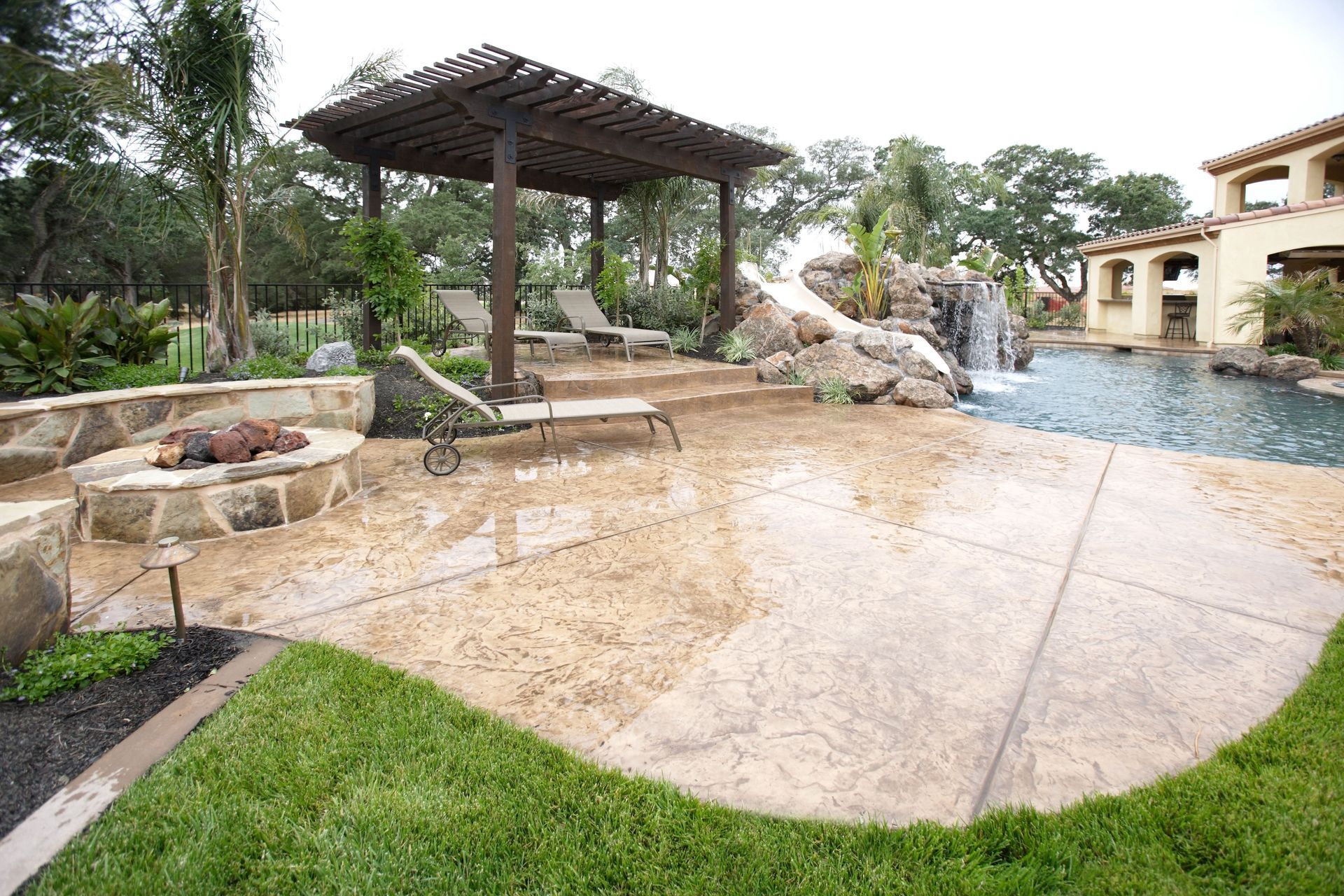
Pool decks are regularly exposed to water, sunlight, temperature changes, and outdoor foot traffic. These conditions can contribute to soil erosion and settlement beneath concrete surfaces. Over time, individual sections may sink or become uneven, creating concerns around the swimming area.
Uneven pool decks can increase the risk of trips and falls, particularly when surfaces are wet. Raised edges and sunken sections can also interfere with pool furniture and make the surrounding space less comfortable. Standing water may create additional slipping hazards and indicate that drainage needs attention.
Professional concrete leveling can help restore the safety and appearance of a pool deck. Polyurethane foam injection is one option for raising sunken sections by filling voids beneath the slab. Mudjacking may also be appropriate depending on the concrete's condition and the surrounding environment.
Maintaining a level pool deck helps preserve the functionality of the outdoor space. Proper drainage and routine professional inspections can identify developing settlement before it becomes more extensive. Addressing uneven areas promptly can also help homeowners maintain a safer environment for family members and guests.
Front Porches and Entryways
Front porches and entryways are among the most frequently used concrete surfaces around a home. Soil settlement, water infiltration, and inadequate drainage can cause these areas to sink or separate from nearby structures. Changes in elevation may become especially noticeable around steps, thresholds, and connecting walkways.
Uneven entryways can create obstacles for visitors and increase the risk of trips and falls. Gaps between the porch and the home may also allow water to collect in vulnerable areas. These conditions can affect both the appearance and functionality of the entrance.
Professional concrete leveling can help restore sunken porch sections and improve transitions between connected surfaces. Raising displaced concrete may also help address drainage concerns and reduce uneven gaps. A professional evaluation is important to determine whether the problem involves the concrete slab, the foundation, or both.
Keeping entryways level contributes to a safer and more welcoming home. Addressing settlement early can help prevent additional movement and reduce the likelihood of more extensive repairs. Professional maintenance also helps preserve the appearance of one of the most visible areas of the property.
For dependable concrete leveling services, contact Concrete Lifters of NC. Their professional team can evaluate uneven concrete around your property and recommend appropriate solutions for restoring stability and improving safety. Schedule an assessment with Concrete Lifters of NC to address settling concrete and keep your home's surfaces in better condition.