November 27, 2026
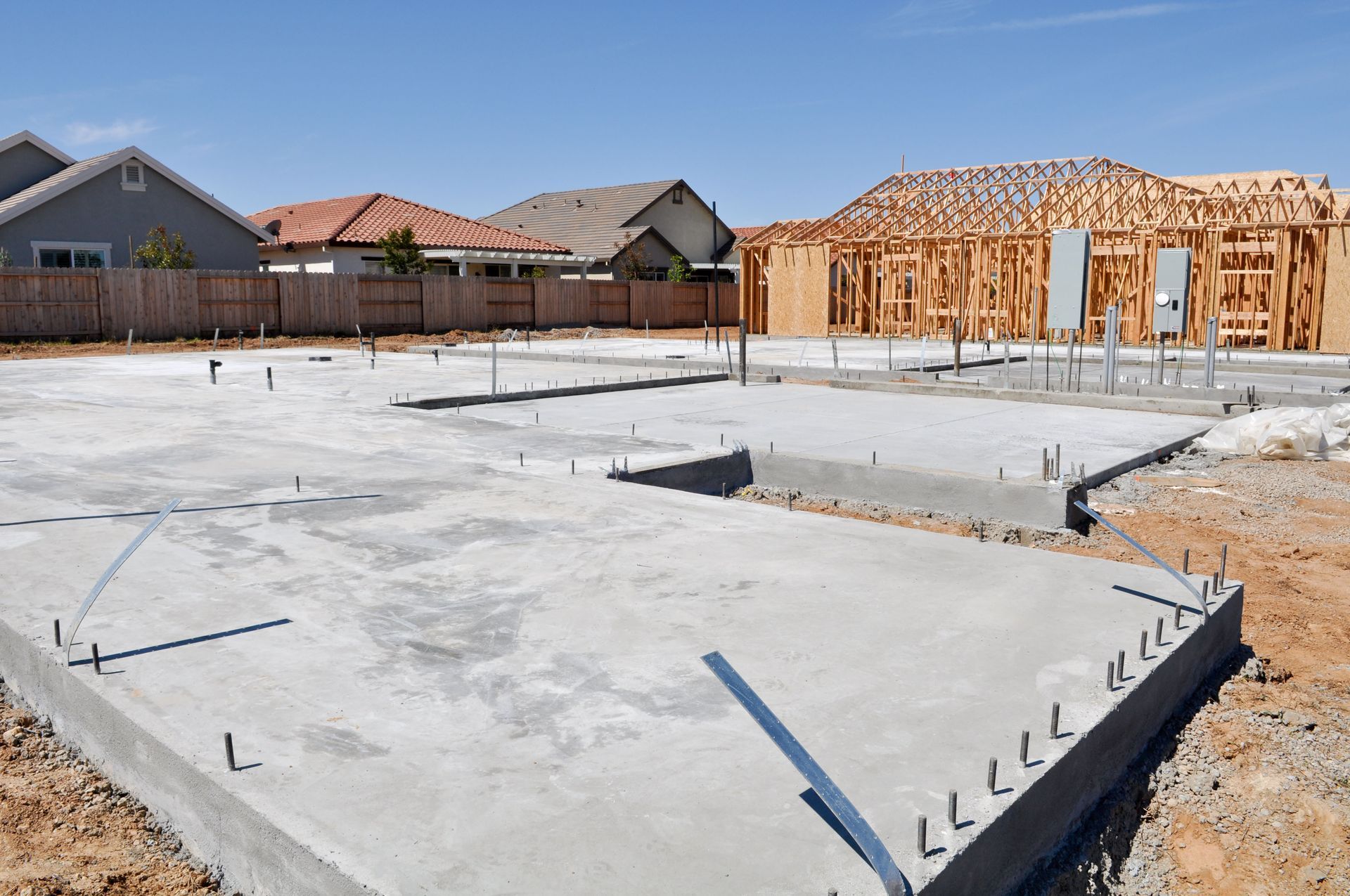
Millions of homes sit directly on concrete slabs, especially in regions where the ground rarely freezes deeply. A slab foundation is a single, solid layer of concrete poured over prepared soil, and it serves as both the floor and the structural base of the house. According to Today's Homeowner, most slab foundations measure six to eight inches thick, though their thickness can vary anywhere from four to 12 inches. That's a substantial amount of concrete, but it's still only as reliable as the soil beneath it.
When the ground under a slab shifts, settles, or washes away, the concrete above can crack, sink, or lift unevenly. Small problems can grow into serious structural concerns if they're ignored. That's why timely slab foundation repair matters so much for homeowners. The sections below explain how slab foundations work, what causes them to fail, and why professional attention protects both your home and your investment.
Understanding How Slab Foundations Work
Unlike basements or crawl spaces, a slab foundation has no open space between the house and the ground. The concrete rests directly on compacted soil or a gravel base, often with thickened edges around the perimeter to support exterior walls. This design is cost-effective, quick to build, and less vulnerable to pests and moisture problems that affect raised foundations.
The trade-off is that a slab depends entirely on uniform soil support. If one section of soil compacts, erodes, or swells while another stays stable, the slab experiences uneven stress. Even small differences in soil moisture from one side of the house to the other can create enough uneven support to cause damage over time. Concrete is strong under compression, but it doesn't flex well, so that stress often shows up as cracks or sections that settle lower than the rest. Because plumbing lines usually run beneath or within the slab, movement can also affect pipes and drains. Understanding this relationship between soil and concrete explains why slab foundation repair focuses so heavily on what's happening underneath the surface, not just on the visible damage.
Recognizing the Early Warning Signs
Foundation problems rarely appear overnight. Most begin with subtle changes that are easy to dismiss. Hairline cracks in drywall, especially around door frames and windows, are among the most common early signs. Doors that suddenly stick or won't latch, windows that become difficult to open, and gaps between walls and ceilings can all point to movement below.
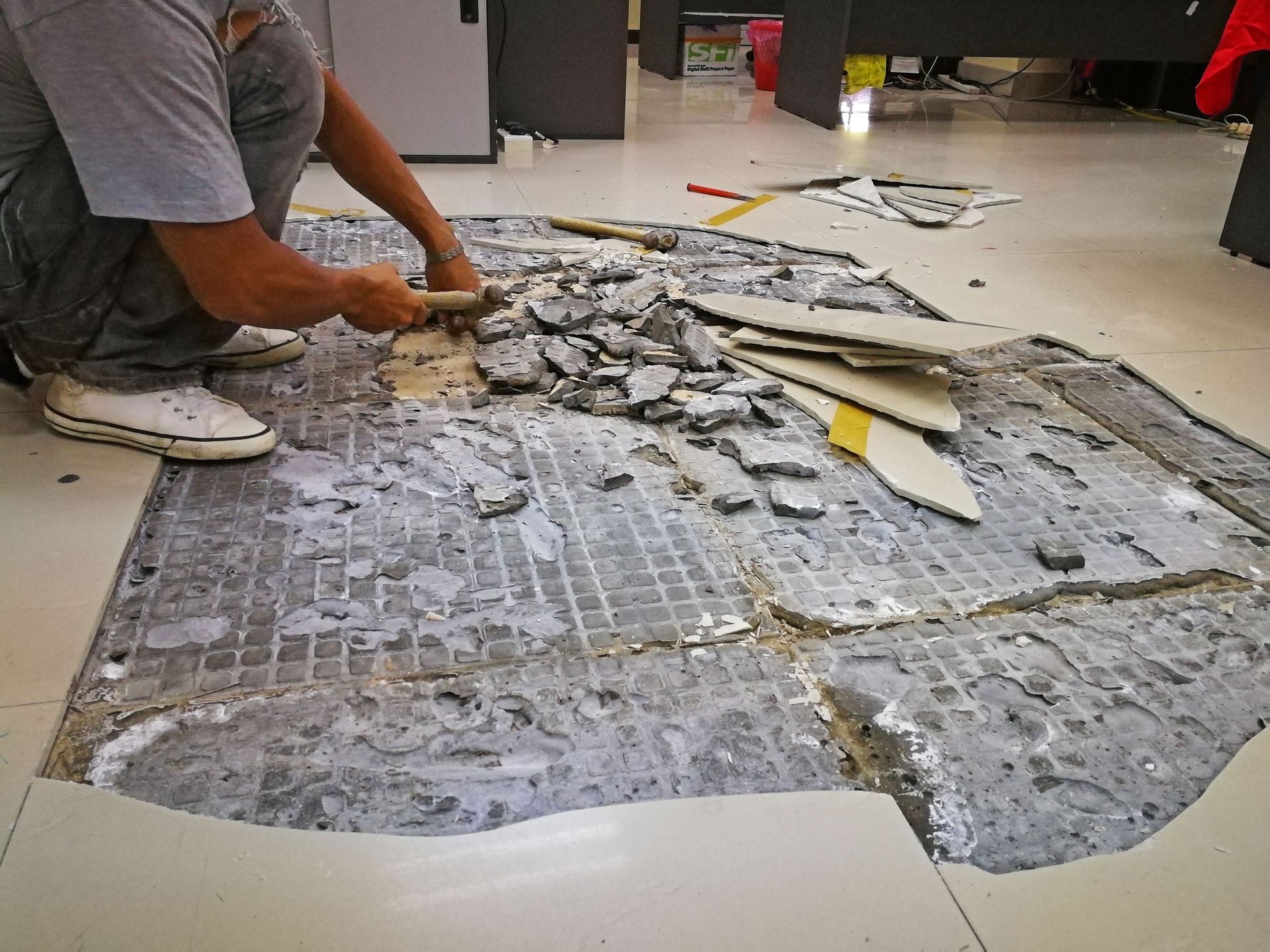
Inside the home, look for cracks in tile or concrete floors, floors that feel sloped or uneven, and baseboards that pull away from the wall. Outside, watch for stair-step cracks in brick, gaps around exterior doors or garage slabs, and soil pulling away from the foundation edge. Not every crack signals a serious issue, since minor shrinkage cracks are normal as concrete cures. However, cracks that widen, multiply, or appear alongside other symptoms deserve a closer look. Scheduling an inspection early allows slab foundation repair specialists to evaluate the cause before damage spreads and repairs become more complicated.
Identifying What Causes Slabs to Shift
Several factors can disrupt the soil supporting a slab. Expansive clay soils swell when they absorb water and shrink as they dry, creating a constant cycle of movement beneath the concrete. Poorly compacted fill soil placed during construction can settle over time, leaving voids under the slab. Heavy rainfall, plumbing leaks, and poor drainage can wash away supporting soil or saturate it until it loses strength. Seasonal swings between wet and dry periods can repeat this process year after year, gradually worsening settlement.
Drought conditions cause problems, too. As soil dries and contracts, it can pull away from the slab and leave gaps that allow sections of concrete to drop. Tree roots near the foundation may draw moisture from the soil and accelerate shrinkage. Even downspouts that empty too close to the house can erode the ground over time. Effective slab foundation repair addresses these underlying causes, often by stabilizing the soil and filling voids, rather than simply patching cracks that will reappear if the ground keeps moving.
Protecting Your Home's Structural Integrity
Your foundation supports every wall, beam, and roof truss in the house. When the slab moves, that movement travels upward through the structure. Walls can crack, framing can shift, and roof lines can develop noticeable dips. Over time, these stresses may affect how well your home resists weather and how efficiently it holds heated or cooled air.
Ignoring a settling slab also invites secondary problems. Cracks can let moisture and pests into the home, while gaps around doors and windows reduce energy efficiency. Shifting concrete may strain plumbing lines, leading to leaks that further erode the soil and worsen the original problem. Timely slab foundation repair breaks this cycle by restoring support beneath the concrete and preventing additional movement. Addressing issues early is almost always less disruptive and less expensive than waiting until structural damage requires extensive reconstruction.
Preserving Property Value and Safety
Foundation issues can have a significant impact on a home's market value. Most buyers order inspections before closing, and documented foundation problems can lower offers, complicate financing, or cause a sale to fall through entirely. Completing slab foundation repair before listing your home, and keeping records of the work, gives buyers confidence that the issue has been properly resolved.
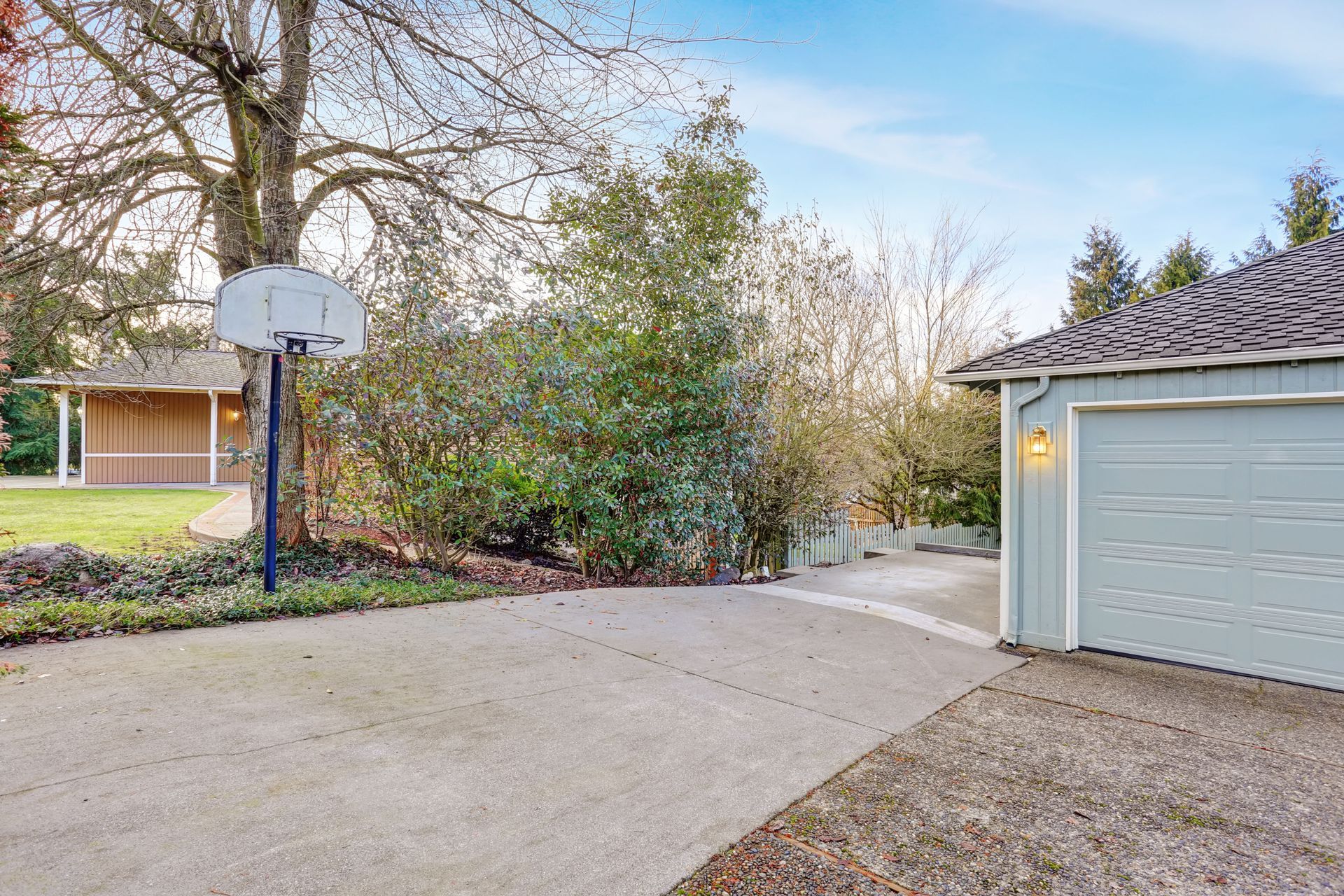
Safety matters just as much. Uneven floors and sunken concrete create tripping hazards for children, older adults, and guests. Sinking garage slabs, patios, and walkways can pose similar risks around the exterior of the home. Restoring a level, stable surface reduces these hazards and makes your property more comfortable to live in every day. In many cases, lifting and stabilizing existing concrete is faster and far less disruptive than tearing it out and pouring a new slab, which means you can protect your home without a lengthy, messy construction project.
Choosing Professional Repair Over DIY Fixes
Filling a crack with caulk or a patching compound might improve its appearance, but it won't fix the problem underneath. Without addressing soil movement and voids, the slab will likely continue to shift, and the crack will return. In some cases, surface-level fixes can even hide worsening damage until repairs become far more extensive.
Professional slab foundation repair starts with a thorough inspection to identify why the concrete moved in the first place. Trained technicians evaluate soil conditions, drainage, and the extent of settlement before recommending a solution. Modern methods can lift sunken concrete, fill voids, and stabilize the soil beneath the slab, often with minimal disruption to your household. Certified installers also understand how to lift concrete gradually and evenly to avoid creating new stress points. Working with an experienced team gives you confidence that the repair is done right and built to last.
A slab foundation provides a solid base for your home, but it depends on stable, well-supported soil to do its job. Recognizing early warning signs, understanding what causes movement, and acting quickly can prevent minor issues from becoming major structural problems. Professional slab foundation repair protects your home's integrity, safety, and value for years to come.
If you've noticed cracks, uneven floors, or sinking concrete around your home, we're here to help. At Concrete Lifters, our certified team brings more than 20 years of hands-on experience to every project, and we've been serving North and South Carolina since 2016. We offer free consultations and inspections, and most of our services come with a 10-year warranty. Contact us today to schedule your free inspection and see how our concrete lifting and soil stabilization services make slab foundation repair simple and stress-free.